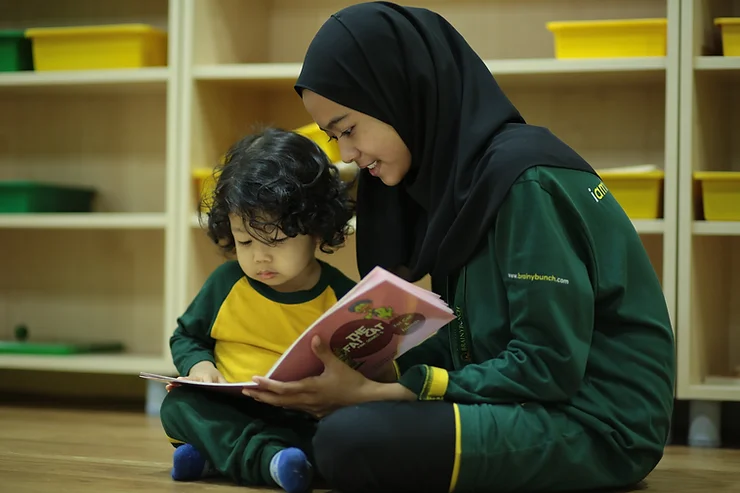


One of the greatest responsibilities of Muslim parents is to nurture the love of Salah (prayer) in their children. Prayer is not only an obligation in Islam but also a powerful tool that shapes character, discipline, and faith. Teaching children to be punctual to prayer requires patience, wisdom, and a gentle approach rooted in Islamic values.
Below are practical and Islamic ways to help your children become regular and punctual in their prayers.
1. Start With Love, Not Pressure
Children are naturally drawn to what feels loving and rewarding. If prayer is introduced with harshness or fear, it may create resistance. Instead, teach them that Salah is a gift and a means of connecting with Allah, not a burden.
The Prophet Muhammad ﷺ said:
“Make things easy and do not make them difficult.”
(Bukhari & Muslim)
Encourage prayer with kindness, praise, and reassurance.
2. Be a Role Model
Children learn more from what they see than what they are told. If parents are punctual in their prayers, children are more likely to follow.
-
Pray on time at home
-
Let your children see you preparing for Salah
-
Show enthusiasm and calmness during prayer
Your actions silently teach them the importance of prayer.
3. Teach the Importance of Salah Early
Introduce prayer gradually from a young age. Even if they cannot pray properly, let them stand beside you, imitate movements, or listen.
The Prophet ﷺ said:
“Command your children to pray when they are seven years old.”
(Abu Dawood)
Use simple language to explain:
-
Salah is how we talk to Allah
-
Allah loves those who pray on time
-
Prayer brings peace and blessings
4. Make Prayer a Family Activity
Praying together strengthens both faith and family bonds.
-
Pray Fajr or Maghrib together
-
Encourage Jama’ah (congregational prayer) at home
-
Let children take turns calling the Adhan
This creates a positive and memorable environment around Salah.
5. Use Gentle Reminders, Not Anger
Children may forget or feel lazy at times. Instead of scolding, remind them gently:
-
“It’s time to meet Allah.”
-
“Let’s pray together before it gets late.”
Avoid shouting or forcing, as it may create negative associations with prayer.
6. Create a Prayer-Friendly Environment
Make prayer special and comfortable for kids:
-
Buy them a colorful prayer mat
-
Give them age-appropriate Islamic books
-
Set a prayer timetable on the wall
-
Use an Adhan app or clock at home
When the environment supports prayer, punctuality becomes easier.
7. Reward Effort, Not Just Perfection
Encourage consistency by appreciating their efforts:
-
Praise them for praying on time
-
Use small rewards or sticker charts
-
Celebrate milestones (e.g., praying all five prayers for a week)
This builds motivation and confidence without making prayer feel transactional.
8. Teach the Value of Time in Islam
Help children understand that time is precious in Islam. Explain how each prayer has a specific time and delaying it without reason is disliked.
You can relate prayer times to daily routines like school, meals, or bedtime to build discipline.
9. Make Du’a for Your Children
Guidance comes from Allah. Never underestimate the power of du’a.
The Qur’an mentions the du’a of Prophet Ibrahim (AS):
“My Lord, make me an establisher of prayer, and [many] from my descendants.”
(Surah Ibrahim 14:40)
Regularly make du’a that Allah makes your children steadfast and punctual in prayer.
Conclusion
Teaching children punctuality in prayer is a journey, not an overnight task. With love, patience, and consistent effort, parents can plant seeds of faith that will grow throughout their children’s lives.
Remember, when children associate prayer with peace, love, and family, Salah becomes a joy rather than an obligation.
May Allah guide our children and make them among those who establish prayer sincerely and on time. Ameen.